The cultural significance of casinos in modern society
The cultural significance of casinos in modern society
Historical Context of Casinos
The concept of casinos dates back centuries, evolving from simple gaming houses to elaborate entertainment complexes. Initially, these establishments served as social hubs where people gathered to engage in games of chance. This historical context highlights the deep-rooted connection between gambling and human interaction, illustrating how casinos have always played a role in bringing communities together. In today’s world, many people are exploring online casinos that offer a variety of options to enjoy gaming from home.
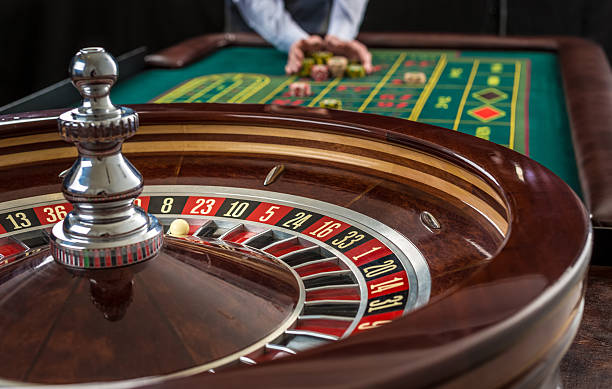
As societies progressed, casinos adapted to reflect cultural norms and values. In the 20th century, the rise of Las Vegas transformed the casino industry, turning it into a symbol of excess and entertainment. The glitzy lights and thrilling atmosphere became synonymous with the American dream, emphasizing how casinos serve not only as places for gambling but also as entertainment venues that attract millions worldwide.
The Role of Casinos in Modern Entertainment
Today, casinos are pivotal in the entertainment landscape, offering a diverse array of activities beyond gambling. From live performances and fine dining to luxurious accommodations, these establishments have become all-encompassing destinations. This diversification has positioned casinos as crucial players in the tourism industry, significantly contributing to local economies. As a result, it’s essential for new players to familiarize themselves with casino dynamics for beginners.
Moreover, the integration of technology has revolutionized the casino experience. Online casinos have emerged as popular alternatives, allowing people to gamble from the comfort of their homes. This shift not only reflects changing consumer preferences but also demonstrates how casinos are evolving to meet the demands of a modern, tech-savvy audience.
Cultural Perceptions and Social Implications
The cultural significance of casinos often sparks debate regarding their impact on society. On one hand, they are celebrated for their ability to foster social connections and generate economic growth. On the other hand, concerns about gambling addiction and its societal consequences remain prevalent. This duality illustrates the complex nature of casinos as both entertainment hubs and potential sources of social issues.
Furthermore, casinos influence popular culture, frequently appearing in films, music, and literature. These representations shape public perception, often glamorizing the casino lifestyle while simultaneously shedding light on its darker aspects. The portrayal of casinos in media plays a crucial role in shaping societal attitudes toward gambling and its acceptance within various cultures.
Economic Impact of Casinos
Casinos have a significant economic impact on their surrounding regions, providing jobs and stimulating local businesses. They contribute to tourism revenue, which can be a lifeline for many cities. This economic boost helps fund public services and infrastructure, showcasing how casinos can be valuable assets to communities when managed responsibly.
Additionally, the taxation from casino revenues provides governments with crucial funding for social programs. This financial aspect underscores the importance of casinos beyond mere entertainment, as they can play a role in improving the quality of life for residents in areas where they operate.
The Future of Casinos in Society
As we look to the future, the role of casinos in society continues to evolve. With the advent of online platforms and changing consumer preferences, traditional casinos must adapt to maintain relevance. Innovations in technology, such as virtual reality gaming and cryptocurrency transactions, are set to reshape the gambling landscape, offering exciting new experiences.
Furthermore, the ongoing conversation about responsible gaming emphasizes the need for casinos to foster a safe and supportive environment. As societal attitudes toward gambling change, casinos must navigate these shifts while continuing to serve as cultural landmarks and entertainment destinations.